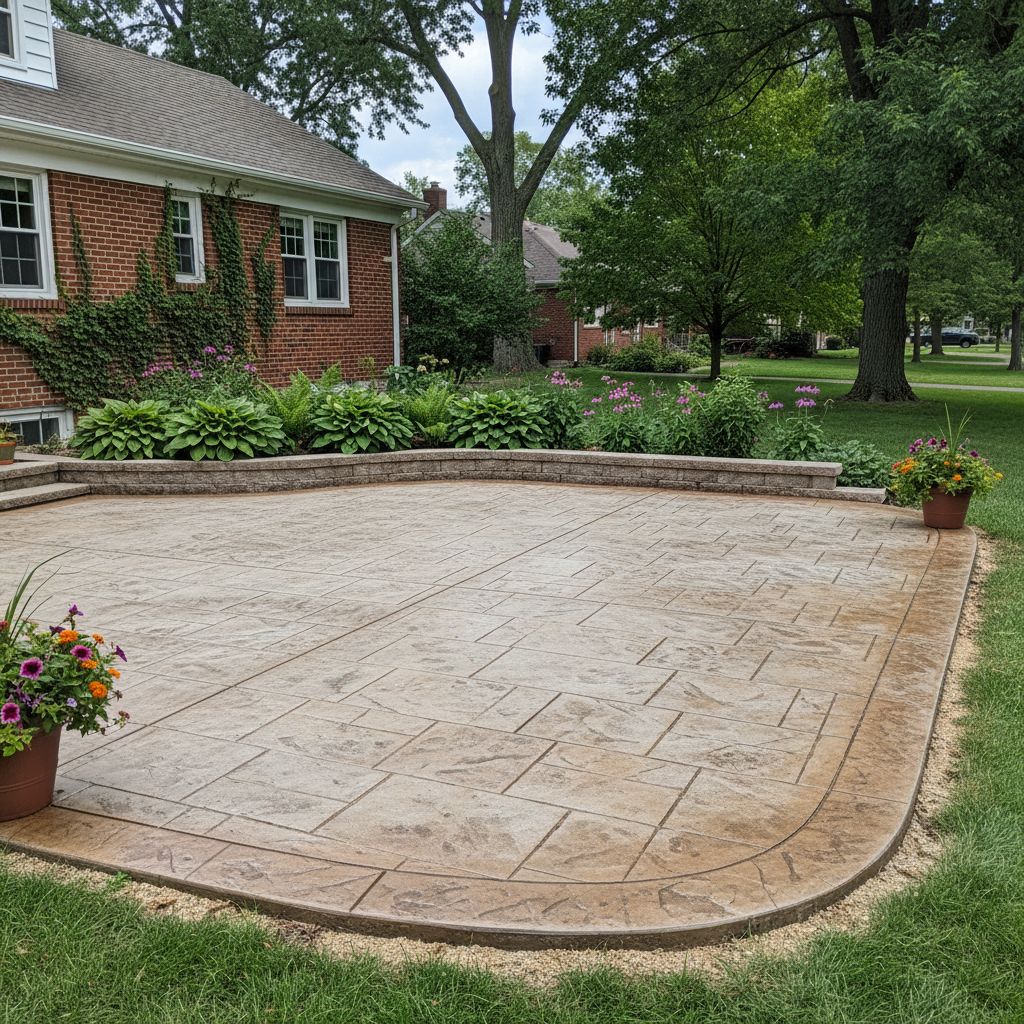
You're probably picturing that perfect outdoor spot right now, a place where you can really unwind, host friends, or just sip your coffee on a quiet morning. A concrete patio can be a truly great addition to your Oak Park home, offering both toughness and good looks. But here's what I've seen happen time and again: homeowners often stumble on a few key things when they're planning or hiring for these projects. And honestly, those mistakes can turn what should be a dream into a real headache, pretty quickly.
So, let's talk about what to keep an eye out for. That way, you can avoid any regrets and end up with a patio that actually lasts.
Skipping Proper Site Prep and Drainage
This is probably the biggest problem area, and it's where a lot of issues begin. You might think pouring concrete is just about getting it on the ground, but what's underneath is just as important as the concrete itself. If the site isn't prepped the right way, you're just asking for trouble down the road. We're talking about things like uneven settling, cracks, and drainage nightmares — nobody wants that.
Here in Oak Park, we've got that heavy, clay-rich soil. That stuff expands when it gets wet and shrinks when it dries out. This constant movement can really mess with a concrete slab if the base isn't stable, which happens more than you'd think. A good contractor will tell you they need to remove any unstable soil, put down proper gravel layers, and compact it thoroughly. If they're rushing this part or just skimming the surface, that's a huge red flag, to be fair. Poor drainage can also lead to water pooling, and that can damage the soil underneath and make your patio unstable.
Ignoring the Importance of the Right Mix and Curing
Not all concrete is the same, you know. Different projects need different mixes. Using the wrong blend can lead to cracks too soon or damage to the surface. Your contractor should really be talking about the right strength and durability for a patio that needs to stand up to our Midwest winters and hot summers. At Ace Concrete, we know exactly what kind of mix holds up best against those freeze-thaw cycles we get every single year.
Then there's curing. This isn't just about letting the concrete dry; it's a chemical reaction that makes the concrete strong. If it dries too fast, you end up with weaker, more porous concrete that's likely to crack and scale. Make sure your contractor has a plan for proper curing. And don't let anyone tell you to just spray it with a hose constantly, either; too much water can actually weaken the top layer.
Falling for Contractor Red Flags
This one's really important. You're inviting someone onto your property, and you're trusting them with a significant investment. Here are some things that should honestly make you pump the brakes:
- No License or Insurance: This is a must-have. A solid contractor will have both liability insurance and workers' comp. If they can't or won't show you proof, walk away. You could be on the hook if something goes wrong.
- Vague Estimates or No Written Contract: A verbal quote is basically worthless. You need a detailed, written contract that clearly spells out the work, materials, timeline, and payment schedule. If they're hesitant to put it in writing, that's a problem.
- Lowball Bids: Everyone likes a good deal, but if one bid is way lower than all the others, be suspicious. It often means they're cutting corners on materials, labor, or both. That cheap price upfront can end up costing you a fortune in repairs later.
- Poor Communication or Lack of References: Do they return your calls? Do they answer your questions clearly? If communication is bad from the start, it's not going to get better once the job begins. And always ask for references and a portfolio of their past work. If they can't provide them, or their reviews are consistently negative, that's a clear sign to look elsewhere.
- Demanding Full Payment Upfront: A deposit is normal, but a contractor asking for all the money before they even start is a huge red flag. Generally speaking, the industry standard is usually 10-30% upfront, with payments tied to project milestones.
Overlooking the Long-Term Picture
A patio isn't just for this year; it's for many years to come. Think about how you'll use the space. Are you planning an outdoor kitchen or a fire pit? Make sure the design allows for furniture and walkways without feeling cramped. And don't forget about future needs like lighting or gas lines; it's much easier and cheaper to pre-wire or pre-plumb now than to tear up concrete later.
Also, concrete needs maintenance. Sealing your patio every few years is important, especially with our freeze-thaw cycles and the salt we use on sidewalks in winter. This protects it from moisture, stains, and surface wear. A good contractor will advise you on this, not just pour and disappear.
Getting a new concrete patio should be an exciting project. By knowing these common pitfalls and watching out for red flags, you'll be much better equipped to hire the right pros and get a beautiful, sturdy patio that you'll enjoy for years.