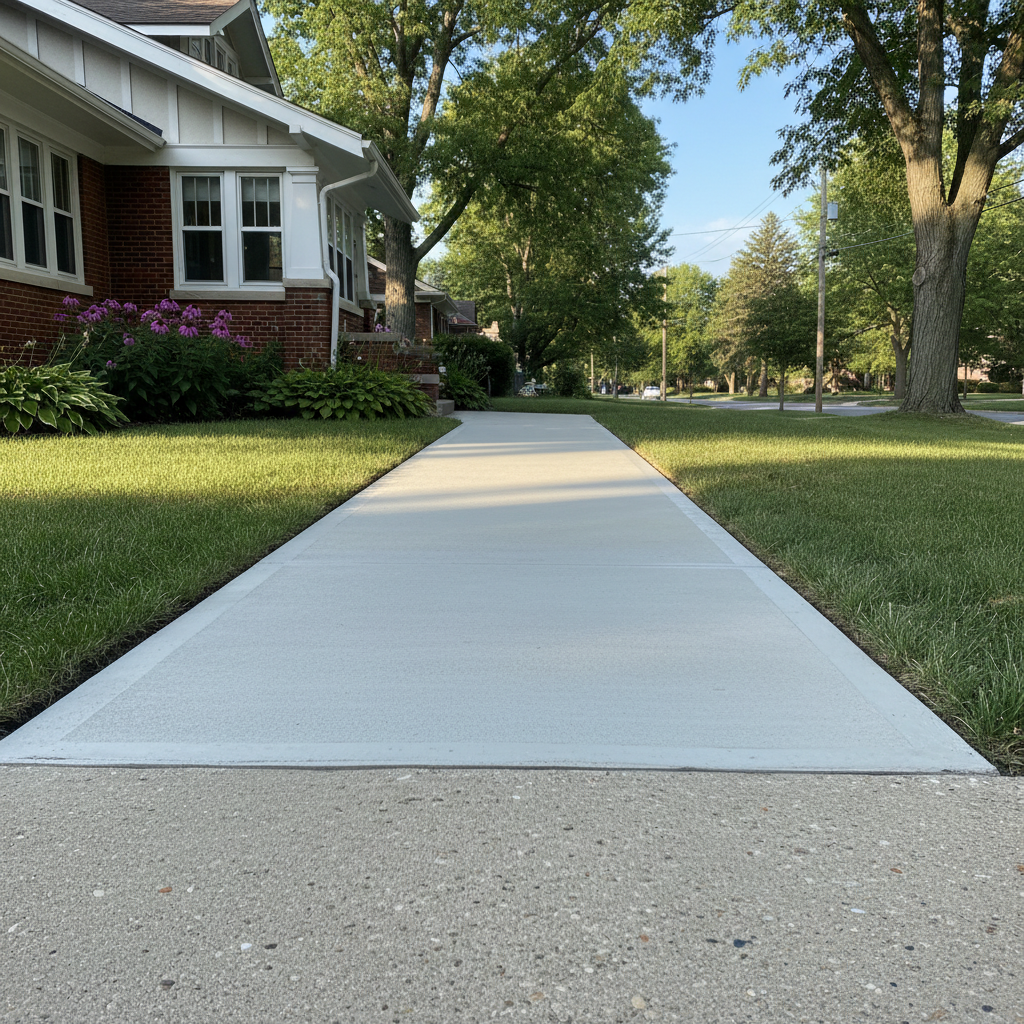
You've invested good money in your concrete, whether it's a new driveway, a patio, or a recent repair. Now, you want it to last, right? Of course you do. I've seen too many folks in Oak Park let their concrete go, and then they're calling me back sooner than they should be. Let's talk about how to keep that concrete strong and looking good for the long haul, especially with the kind of weather we get here in Chicagoland.
Extending the Life of Your Concrete Repair
The first thing you need to understand is that concrete, even after a repair, isn't indestructible. But with a little care, you can significantly extend its lifespan. The biggest thing is proper curing and sealing. If Ace Concrete just finished a repair for you, we made sure it cured right, but the sealing is often up to you down the line.
- Seal It Up: I recommend sealing your concrete every 2-3 years, especially for driveways and walkways that see a lot of traffic and salt. A good quality penetrating sealer will protect against moisture, freeze-thaw cycles, and stains. It's like putting a raincoat on your concrete.
- Watch the Weight: Don't park heavy equipment or overloaded vehicles on your concrete, especially new patches, for extended periods. Concrete has a weight limit, and exceeding it can cause cracks or settlement over time.
- Clean Gently: When you clean, avoid harsh chemicals or high-pressure washers directly on fresh repairs. A broom and a garden hose are usually all you need for regular cleaning.
Regular Maintenance: What You Should Be Doing
This isn't rocket science, but it makes a huge difference. Think of it like changing the oil in your car – small effort, big payoff.
- Sweep Regularly: Get rid of dirt, leaves, and debris. This prevents organic matter from breaking down and staining the surface, and it keeps abrasive grit from wearing down the sealer.
- Address Spills Immediately: Oil, grease, paint, or anything acidic should be cleaned up as soon as possible. The longer they sit, the deeper they penetrate and the harder they are to remove without damaging the concrete.
- Mind the Weeds: Weeds growing through cracks aren't just an eyesore; their roots can expand and worsen existing cracks. Pull them out and consider a weed killer in those areas.
- Snow and Ice Management: This is a big one for us in Oak Park. Avoid using rock salt (sodium chloride) directly on your concrete, especially newer concrete. It's incredibly corrosive and contributes to spalling and pitting. Calcium chloride or magnesium chloride are better alternatives, but even those should be used sparingly. Shovel promptly to reduce the need for de-icers.
Warning Signs: When to Pay Closer Attention
Your concrete will tell you when it's having issues. You just need to know what to look for.
- New Cracks or Expanding Old Ones: Small hairline cracks are often normal, but if you see new cracks appearing, or existing ones getting wider or longer, that's a red flag.
- Spalling or Pitting: This looks like the surface of the concrete is flaking off or has small pockmarks. It's often caused by freeze-thaw cycles and improper sealing or de-icer use.
- Uneven Surfaces or Sinking Slabs: If a section of your driveway or patio starts to sink or become uneven, it indicates a problem with the base material underneath. This can create tripping hazards and lead to further damage.
- Discoloration or Stains That Won't Come Out: While some stains are just cosmetic, persistent discoloration can sometimes point to moisture issues or chemical reactions within the concrete.
When to Call a Professional
Look, I'm all for DIY, but some things are best left to the pros. Don't wait until a small issue becomes a massive, expensive problem.
- Significant Cracks: If a crack is wider than a quarter-inch, or if it's deep and runs through the entire slab, it's time to call someone like Ace Concrete. These often require more than just a patch.
- Sinking or Uneven Slabs: This usually means the sub-base has failed, and it needs professional assessment. We can often lift and level these slabs without fully replacing them, which saves you money.
- Extensive Spalling or Pitting: If a large area of your concrete surface is deteriorating, it might be beyond a simple sealing job and could need resurfacing or replacement.
- Drainage Issues: If water is pooling on your concrete or running towards your foundation, that's a serious problem. A professional can assess the grading and suggest solutions to protect your home.
Taking care of your concrete isn't just about aesthetics; it's about protecting your investment and ensuring safety around your home. A little vigilance goes a long way in keeping your concrete, and your wallet, happy.