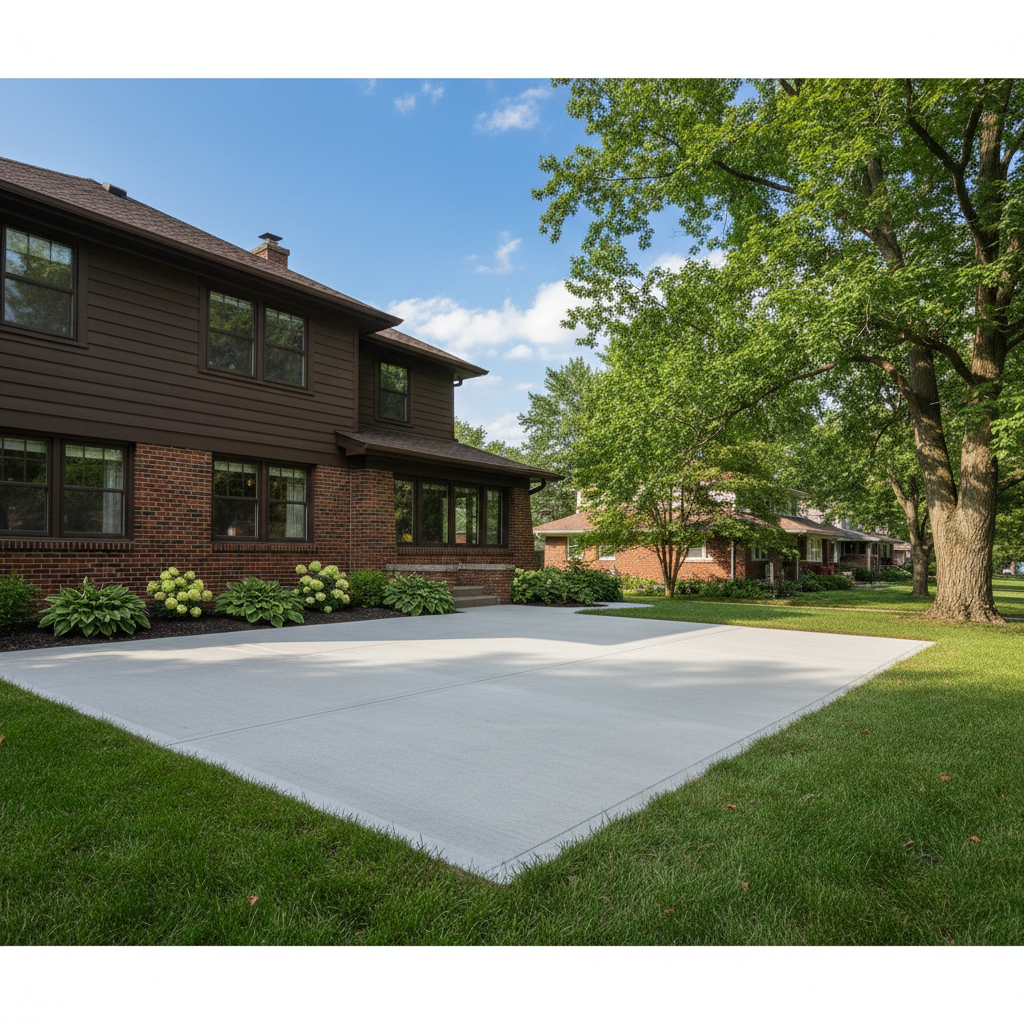
Your Concrete Flatwork Needs a Little Love, Especially Here
Look, a lot of folks think once concrete's poured, that's it. Done. But that's just not true, especially not with the crazy weather we get here in Oak Park. Those brutal winters, for example, bring freeze-thaw cycles that can really mess things up. Then there are the hot, humid summers. Your concrete flatwork — that's your driveways, sidewalks, and patios — takes a beating. If you want it to last as long as it should, you've got to give it some attention. It's not hard, but it is important.
Regular Maintenance: Your Concrete's Best Friend
Let's talk about what you should be doing regularly to keep things in good shape. Mostly, it's about prevention.
Keep it Clean: Sounds simple, right? But dirt, leaves, and other debris can trap moisture against the concrete surface. That moisture, especially when it freezes, can cause damage. A good sweep with a broom is often enough. For tougher grime, a pressure washer on a low setting can work wonders, but be careful not to blast too hard and damage the surface.
Seal It Up: This is probably the most crucial step for our climate. Concrete is porous, meaning it has tiny holes water can get into. When that water freezes, it expands, creating pressure that can crack and spall the surface. A good quality concrete sealer acts like a raincoat for your concrete, repelling water and chemicals. I recommend sealing every 2-3 years, depending on traffic and exposure. It's a small investment that pays off big time in longevity.
Mind the Cracks: Even small cracks let water in. Don't ignore them. For hairline cracks, a good quality concrete crack filler can do the trick. You want to stop water from getting underneath and undermining the slab. We're not talking about structural repair here, just sealing up those surface imperfections.
Watch the Edges: Pay attention to where your concrete meets soil or landscaping. If soil erodes away, it can leave the edges unsupported, making them more prone to breaking. Keep those areas filled in and properly drained.
Winter Woes: De-Icers and Snow Removal
Winter is the biggest enemy of concrete around here. You've got to be smart about how you deal with snow and ice.
Shovel Early and Often: The less snow and ice sitting on your concrete, the less chance for moisture to seep in and freeze. Get out there and shovel as soon as you can.
Choose Your De-Icer Wisely: This is a big one. Many de-icing products contain salts like sodium chloride (rock salt) or calcium chloride. These can be really harsh on concrete, especially newer concrete (less than a year old). They can cause scaling and spalling. I always tell folks to use de-icers that are labeled as concrete-safe, often containing calcium magnesium acetate (CMA). Sand is also a good, non-damaging option for traction, though it won't melt ice.
Avoid Metal Shovels on New Concrete: If your concrete is new, say less than a year old, be careful with metal shovels. They can scratch and chip the surface. A plastic shovel is a safer bet.
Warning Signs You Shouldn't Ignore
Your concrete will tell you when it's in trouble. You just need to know what to look for.
Cracks Getting Bigger: Hairline cracks are one thing, but if you see cracks widening, lengthening, or new ones appearing rapidly, that's a red flag. Especially if they're more than a quarter-inch wide or if one side of the crack is higher than the other.
Spalling and Pitting: This is when the surface of the concrete starts flaking off or developing small holes. It usually means water has gotten into the concrete and frozen, causing the top layer to pop off. This is a sign your concrete isn't properly sealed or that harsh de-icers are being used.
Sinking or Uneven Slabs: If a section of your driveway or sidewalk is noticeably lower than the adjacent sections, that's a problem. This often points to issues with the sub-base, like soil erosion or poor compaction. It's not just an eyesore; it's a tripping hazard.
Drainage Issues: Puddles that sit for a long time after rain or melting snow indicate poor drainage. Water pooling on concrete is never a good thing, as it increases the risk of saturation and freeze-thaw damage.
When to Call Ace Concrete
You can handle a lot of the basic maintenance yourself, but there are times when you really need to bring in a professional. Don't wait until a small problem turns into a huge, expensive headache.
Major Cracks or Uneven Slabs: If you've got cracks that are wide, deep, or if sections of your concrete are sinking or heaving, that's beyond a DIY fix. We can assess the underlying cause and recommend the best repair, whether it's mudjacking to lift a slab or a more extensive repair.
Extensive Spalling or Surface Damage: If a large area of your concrete surface is deteriorating, a simple sealer won't cut it. You might need resurfacing or even replacement.
Drainage Problems: If water is consistently pooling against your foundation or on your concrete, it's a structural issue that needs an expert eye. We can help figure out why it's happening and design a solution.
When You're Not Sure: Honestly, if you see something and you're just not sure if it's a big deal or not, give us a call. It's better to get a professional opinion early than to let a problem fester. We've seen it all, from the old, tree-root-damaged sidewalks in the Frank Lloyd Wright historic district to brand new driveways that weren't properly installed.
Taking care of your concrete isn't glamorous, but it's essential for protecting your investment and keeping your home safe and looking good. A little effort now saves you a lot of money and hassle down the road.