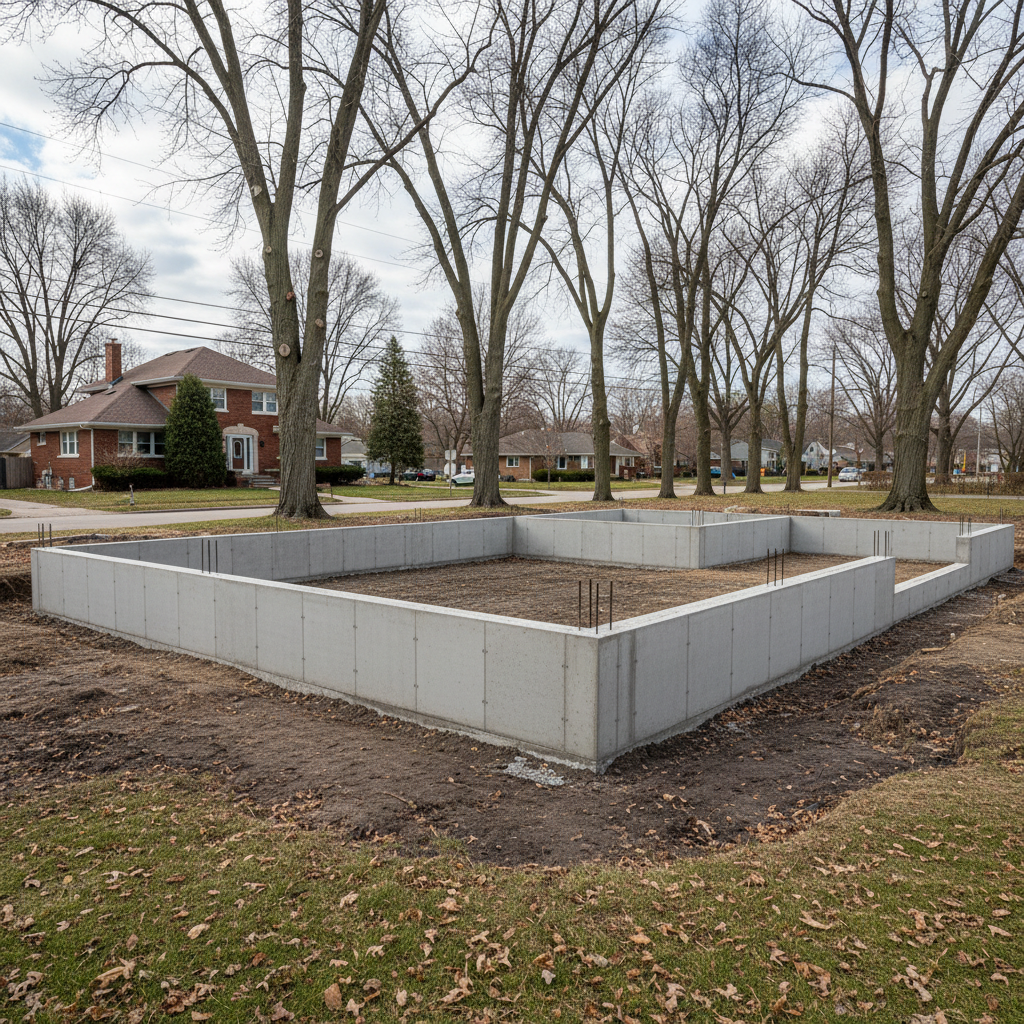
You're looking to pour a new foundation, maybe for an addition, or you're seeing some cracks in your existing one. Great. But before you call just anyone, let's talk about what our Chicago-area weather means for concrete, especially here in Oak Park.
Timing Your Concrete Foundation Work in Oak Park
When's the best time to pour concrete? It's not a trick question, but the answer isn't as simple as 'spring' or 'summer.' The truth is, it's all about temperature and moisture. Concrete needs time to cure properly, and that process is heavily influenced by the conditions it's poured in.
Here in Oak Park, we get some pretty wild swings. Our winters are brutal, and our summers can be scorching and humid. You definitely don't want to pour concrete when it's freezing or when there's a risk of a hard freeze shortly after. That water in the mix expands when it freezes, and it'll wreck the integrity of your foundation before it even has a chance to set. We're talking spalling, cracking, and a whole host of headaches you don't need.
On the flip side, pouring in the dead heat of summer, especially on a super dry, windy day, isn't ideal either. The water can evaporate too quickly, leading to what we call 'plastic shrinkage cracking.' It's not usually structural, but it looks terrible and can be a sign of improper curing.
So, what's the sweet spot? I've found that late spring and early fall are generally the best windows. You've got more consistent moderate temperatures, usually between 50 and 70 degrees Fahrenheit, and less extreme humidity. This gives the concrete the best chance to cure slowly and strengthen properly. If you're planning a big project, try to get it on the schedule for those times. Ace Concrete always aims for optimal conditions, because we want your foundation to last.
Weather Conditions That Affect the Pour
Beyond just temperature, other weather conditions really matter. Rain, for instance. A light drizzle isn't usually a deal-breaker if the concrete is already being placed and worked, but a heavy downpour? That can wash out the cement paste, weaken the mix, and turn a good foundation into a mess. We'll always keep an eye on the forecast and reschedule if it looks like heavy rain is coming.
Wind is another factor. High winds can dry out the surface of the concrete too fast, especially on hot days, leading to those surface cracks I mentioned. We can mitigate this with curing compounds or by covering the concrete, but it's always better to avoid those conditions if possible.
Then there's the ground itself. Our soil here in Oak Park, especially in some of the older neighborhoods with clay-heavy soil, can hold a lot of moisture. This means proper drainage and site preparation are crucial before any pour. You don't want your foundation sitting on saturated ground.
Protecting Your Concrete Investment Year-Round
Once your foundation is in, your job isn't over. You've got to protect that investment. Here's how:
- Proper Drainage: This is huge. Make sure your gutters are clean and extend far enough away from your foundation. The ground around your house should slope away from the foundation, not towards it. Water pooling against your foundation is a recipe for trouble, especially with our freeze-thaw cycles.
- Sealants: Consider applying a good quality concrete sealant every few years. It helps repel water and protects against de-icing salts, which can be brutal on concrete during winter.
- Monitor for Cracks: Small hairline cracks are often normal as concrete settles and cures. But if you see cracks widening, extending, or if you notice any bowing or shifting, call a professional immediately. Don't wait. Early detection can save you a ton of money and headache down the road.
- Avoid Harsh Chemicals: Be careful with de-icing salts in winter. While some are less damaging than others, excessive use can still degrade your concrete over time. Shovel early and often instead.
Your foundation is, well, the foundation of your home. Taking the time to understand how our local climate impacts it, scheduling work at the right time, and then taking care of it year-round will ensure it stands strong for decades. It's not just about getting the job done; it's about getting it done right and maintaining it.