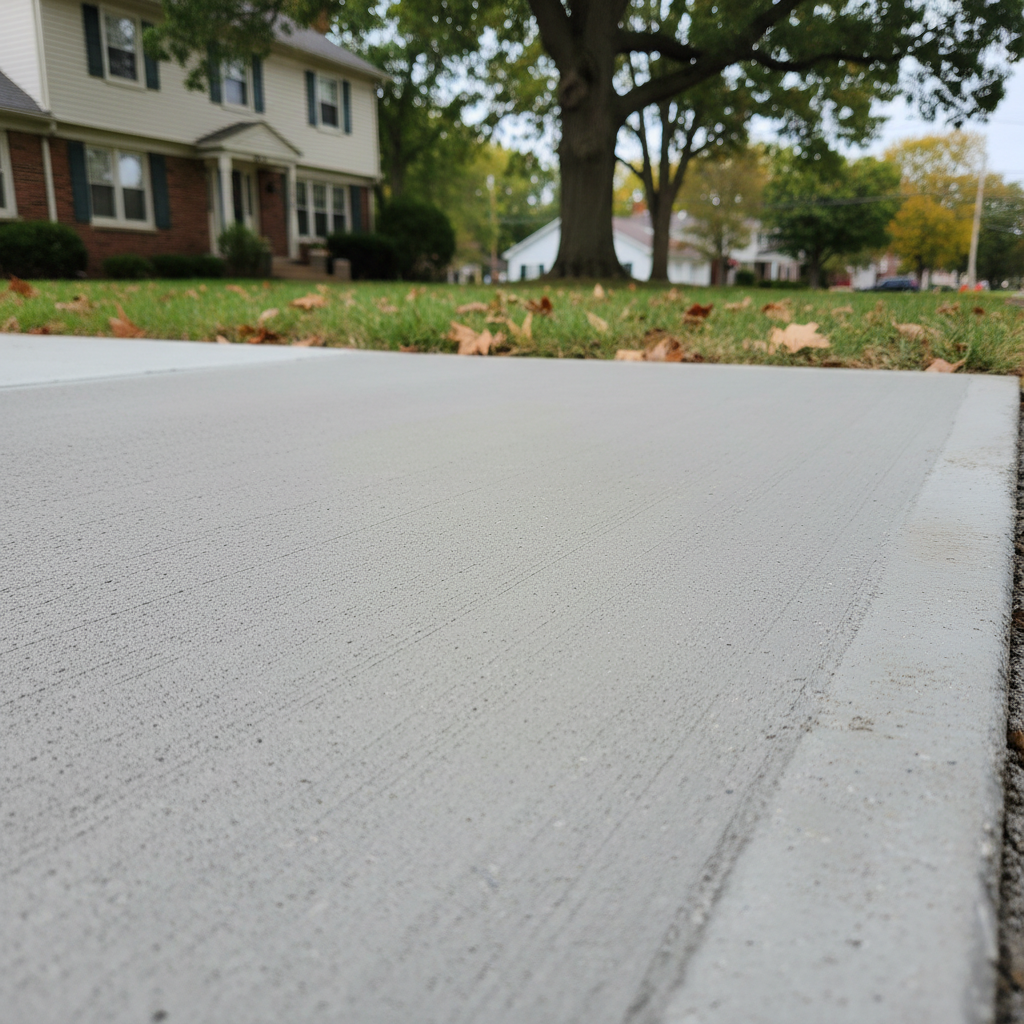
Your sidewalk isn't just a path; it's often the very first thing people see when they come to your home. It's also super important for safety and, let's be honest, how your place looks. Here in Oak Park, with our old trees and sometimes wild weather, keeping those sidewalks in good shape is a real priority. So, if you're staring at a cracked slab or thinking about putting in a brand new walk, what's the plan?
Before You Even Think About Pouring Concrete
First off, figure out exactly what you're dealing with. Is it just a tiny crack? Or are we talking about a whole section that's pushed up because of tree roots or frost heave? That's pretty common around here, especially with those gorgeous old oaks in the Frank Lloyd Wright Historic District. You really need to get a clear picture of the damage.
- Permits? Absolutely: Don't skip this step. Oak Park has specific rules for building and fixing sidewalks, especially if it's on public land. Check with the village before you even lift a shovel. You definitely don't want to do all that hard work only to be told you have to tear it out.
- Call Before You Dig: Seriously, pick up the phone and call JULIE (that's 811) a few days before you plan to dig anywhere. Hitting a gas line or a water main is no fun for anyone. It's free, it's easy, and it saves you a ton of headaches.
- Understand the Job: A small, surface-level crack? You might be able to patch that yourself with some good concrete crack filler from the hardware store. But a crumbling edge or a section that's sunk way down? That's probably more than a quick fix.
DIY or Call Ace Concrete?
Let's be real: concrete work isn't for everyone. It's heavy, it's messy, and it dries fast. But there are a few things a handy homeowner can probably handle.
What You Can Probably Do Yourself:
- Small Crack Repair: Like I mentioned, those hairline cracks can often be sealed up. Just clean out the crack really well, put in a good quality sealant, and smooth it out. This is mostly about making it look better and keeping water out, not fixing big structural problems.
- Surface Resurfacing (Small Areas): If your concrete just looks a bit worn or discolored but is otherwise solid, you might be able to put down a thin layer of concrete resurfacer. Just follow the instructions to the letter. Remember, this is a cosmetic fix, not for major damage.
- Cleaning and Sealing: This is a big one for maintenance. Power washing and then putting on a good quality concrete sealer every few years will really make your sidewalk last longer. It protects against our tough winters and the summer sun, too.
When to Call a Pro (Like Us at Ace Concrete):
Anything beyond those minor cosmetic fixes usually means you need a professional. Here's why:
- Section Replacement: If a slab is cracked all the way through, or if it's heaved up or sunk a lot, you need to replace it. This means breaking up the old concrete, hauling it away, getting the base ready, setting up forms, pouring, and then finishing it just right. That takes a lot of specialized equipment and know-how, believe me.
- New Sidewalk Installation: Laying a new sidewalk from scratch requires proper grading, a really solid sub-base, correct forms, and precise finishing techniques. All this ensures good drainage and a smooth, durable surface. You definitely don't want puddles forming or uneven spots that could trip someone.
- Tree Root Issues: Those beautiful old trees I talked about? Their roots can cause serious problems. Sometimes, you need to carefully cut roots (and you'll want an arborist's approval for that!) and install a root barrier before pouring new concrete. That's definitely not a DIY job.
- Complex Drainage: If your sidewalk problems are connected to bigger drainage issues on your property, a pro can design a solution that integrates the sidewalk with your landscape. This helps prevent future problems.
During the Project: What to Expect
If you hire us, we'll take care of all the heavy lifting. We'll make sure the site is prepped correctly, the forms are set just right, and the concrete is poured and finished to really last. We even use the right mix for our climate, which is super important for durability against those freeze-thaw cycles we get.
If you're doing a small DIY repair, take your time. Read all the product instructions. Wear the right safety gear, too. It's easy to make a mess or get hurt if you're not careful, isn't it?
After the Concrete is Poured or Repaired
Whether it's a brand new sidewalk from Ace Concrete or a patch you did yourself, curing is absolutely essential. Keep new concrete moist for at least 3-7 days. This means covering it with plastic, burlap, or using a special curing compound. Don't walk on it too soon, and definitely keep vehicles off it for at least a week — longer is even better for full strength.
Once it's cured, regular cleaning and sealing will keep it looking good and working well for years. Inspect it periodically for new cracks or signs of wear. Catching small issues early can save you from bigger, more expensive problems down the road.
Your Oak Park sidewalks are an investment. Treat them right, and they'll serve you well for a long, long time.