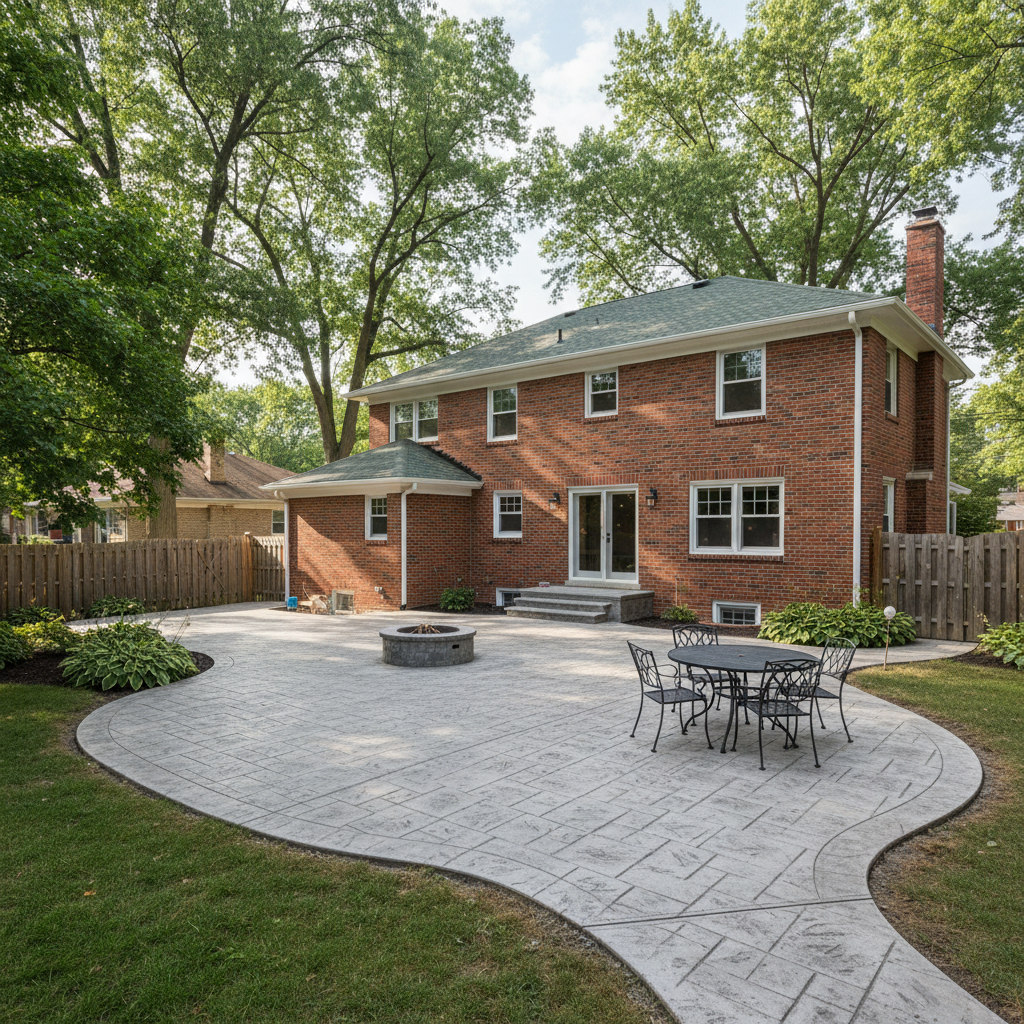
Thinking about a new concrete patio for your Oak Park home? That's a great idea. A well-built patio adds a ton of value and enjoyment, giving you a perfect spot for grilling, relaxing, or just watching the kids play. But getting from 'I want a patio' to 'I'm enjoying my patio' takes a bit of planning. I've seen a lot of projects come and go, and I can tell you, the more you know upfront, the smoother things will go. Here's what you need to think about.
Timeline: When to Start Planning & Pouring
Let's talk timing. You don't just wake up one Saturday and decide to pour concrete next week. It doesn't work like that. For a concrete patio, you're looking at a multi-stage process, and it often starts months before the actual work begins.
- Initial Planning & Design (2-4 weeks): This is where you figure out what you want. Size, shape, finish (stamped, exposed aggregate, broom finish?), drainage. Get some ideas together.
- Getting Bids & Choosing a Contractor (2-4 weeks): You'll want to get a few quotes. Don't rush this. Ask questions, check references. This is crucial for a successful project.
- Permits (2-6 weeks, or more): Yes, you'll likely need a permit from the Village of Oak Park for a new patio, especially if it's a significant size or impacts drainage. Don't skip this. It can hold up your project or cause headaches later.
- Scheduling the Work (Varies wildly): Once you've got your contractor and permits, you'll get on their schedule. Good contractors are often booked out weeks or even months, especially during peak season (late spring through early fall). If you want a patio for summer enjoyment, you should be talking to contractors in late winter or early spring.
- Actual Construction (3-7 days, typically): The physical work itself usually goes pretty fast. Demolition (if needed), grading, forming, pouring, and finishing. Then it needs time to cure.
- Curing Time (7-28 days): Concrete needs to cure properly. You can walk on it fairly soon, but don't put heavy furniture or drive on it for at least a week, and ideally, wait longer for full strength.
So, from your first thought to enjoying that first cup of coffee on your new patio, you're looking at anywhere from 2 to 5 months, depending on how quickly you move and how busy contractors are. Plan ahead, seriously.
What to Expect During the Process
Okay, you've picked your contractor, the permits are in hand, and it's go-time. Here's a general rundown of what'll happen:
First, expect some noise and disruption. We're working with heavy equipment, tearing things up, and moving materials. It's not a quiet process. We'll do our best to keep things tidy, but it's a construction site for a few days.
- Site Preparation: This is where we clear the area. If there's an old patio, we'll demo it and haul it away. Then we'll grade the area, making sure the slope is right for drainage away from your house. This is super important, especially with Oak Park's clay soil that doesn't drain well naturally. We'll compact the base material (usually gravel) to ensure a solid foundation.
- Forming: We'll set up forms, usually wood or metal, to create the exact shape and size of your patio. This is where your design really starts to take shape.
- Reinforcement: Depending on the size and use of your patio, we'll lay down rebar or wire mesh. This helps prevent cracking and gives the concrete extra strength.
- Pouring & Finishing: The concrete truck arrives, and we get to work. This is a fast-paced part of the job. We'll pour the concrete, level it, and then apply the finish you chose – whether it's a smooth broom finish, a decorative stamp, or an exposed aggregate look. This needs to be done quickly and skillfully.
- Curing: Once it's poured and finished, we'll often apply a curing compound. Then, you wait. We'll give you specific instructions on how long to stay off it and when it's safe for light use versus heavy furniture. Don't rush this part; proper curing is vital for the concrete's long-term durability.
How to Prepare Your Home & Yard
You can help make the process smoother for everyone. Before Ace Concrete or any other crew shows up, here's what you should do:
- Clear the Area: Move any outdoor furniture, grills, planters, toys, or anything else from the work zone and a good buffer around it. We don't want to damage your stuff, and we need clear access.
- Trim Landscaping: If you have bushes or tree branches hanging over the patio area, trim them back. This gives us room to work and protects your plants.
- Mark Sprinkler Heads & Utilities: If you have an underground sprinkler system, make sure the heads are clearly marked or, even better, temporarily removed if they're right in the path of work. Point out any known buried lines for lighting, dog fences, etc.
- Ensure Access: Make sure we have a clear path for our equipment and materials. If we need to get a wheelbarrow or a small machine through a gate, ensure it's wide enough and unlocked.
- Talk to Your Neighbors: Give your neighbors a heads-up that there will be some construction noise and activity for a few days. It's just good neighborly practice.
- Plan for Pets & Kids: Keep pets and children away from the work area for their safety. Construction sites aren't playgrounds.
Questions to Ask Before Signing a Contract
This is where you protect yourself and ensure you're getting a quality job. Don't be afraid to ask these questions:
- What's included in the price? Get a detailed breakdown. Does it include demolition, hauling away debris, base material, reinforcement, the concrete itself, the finish, and cleanup?
- What kind of concrete mix will you use? Ask about the PSI (pounds per square inch) strength. For a patio, you want something robust, usually 4000 PSI or higher.
- How will you handle drainage? This is critical in Oak Park. Make sure they have a clear plan to slope the patio away from your house and towards a suitable drainage area.
- What kind of base preparation do you do? A good base is everything. Ask about the depth of gravel and how it will be compacted.
- What about expansion joints and control joints? These are necessary to manage concrete's natural tendency to expand, contract, and crack. How will they be placed?
- Do you pull permits? A reputable contractor will handle the permitting process. Don't let them tell you it's your job or that you don't need one.
- What's your warranty? What does it cover, and for how long?
- Can I see examples of your work? Look at photos, and if possible, drive by a few completed patios.
- What's the payment schedule? Be wary of contractors who demand a huge upfront payment. A reasonable deposit is fine, but typically payments are tied to project milestones.
- Are you licensed and insured? Always ask for proof of both. This protects you if there's an accident or damage.
Asking these questions will help you sort out the good contractors from the not-so-good ones and ensure your patio project goes smoothly. A little homework now saves a lot of headaches later. You'll be enjoying that new outdoor space in no time.